

A kid-safe 3D pen can turn doodles into dragons and cardboard into castles. The trick is choosing a pen that stays fun after the first weekend. That means paying close attention to heat levels, filament type, and how the ecosystem around the pen is built.
We spend a lot of time with the three big family names you will run into first: 3Doodler, MYNT3D, and SCRIB3D. They each make pens that are friendly to kids, but they approach safety, materials, and accessories differently. The fit comes down to your child’s age, patience, and where the pen will live.
The biggest fork in the road is filament and temperature. Younger kids do best with low-heat PCL that feels gentle and cools fast. Older kids can handle PLA, which looks crisp and holds details but runs at a hotter nozzle. Filament choice also affects what you can buy later and how easy it is to refill.
There are practical details too. Button layout and grip shape decide whether a kid’s hand cramps in ten minutes. Jam clearing and tip design determine if you are unblocking clogs on a Sunday night. And for classrooms, a pen’s ecosystem matters as much as the pen. Compatible filaments, spare tips, silicone mats, and stencils can make or break a group session.
Do this first: decide where your child will use the pen and pick a filament lane to match. If it is the kitchen table with a seven-year-old, start low-heat. If it is a maker kid at a desk with a fan running, PLA is fine. Write that choice on a sticky note. It will instantly narrow your shortlist.
There are edge cases to consider. Left-handed kids can fight awkward button placement. Sensitive noses may notice PLA’s sweet smell and need more airflow. If siblings will share a pen, durability and simple controls matter more than fancy features.
Quick picks by age and patience
Ages 6 to 8: low-heat PCL and chunky grips
- Look for pens that run cool with a guarded tip. These pens usually use PCL, which softens at lower temperatures and is gentler on fingers and projects.
- A thicker body helps small hands. Two big buttons for feed and reverse beat tiny switches.
- Starter kits with silicone mats and stencils keep frustration low and success high.
Ages 8 to 12: PLA with simple controls
- Beginner-friendly PLA pens have steady flow, clear speed buttons, and an easy reverse for jams.
- A display that shows material mode and temperature is helpful, but not essential. What matters most is predictable extrusion and a comfortable grip.
- Templates and project books keep momentum when the first freehand builds collapse.
10 and up or crafty teens: more control, more materials
- Adjustable speed and temperature expand what they can build. Teens can use finer tips and slower flow for details.
- PLA is the default for most hobby projects. Some advanced pens also support ABS, which needs better ventilation and more care.
- Replaceable nozzles and jam tools add longevity for kids who create often.
Classrooms and clubs
- Prioritize durability, quick warm-up, and easy filament management. Color-coded pens and simple feed buttons help.
- Low-heat PCL is a safer bet for mixed ages and rotating supervision.
- Stock spare nozzles, cleaning rods, and pre-cut strands or short spools to avoid filament tangles mid-lesson.
What matters most when choosing a kid-safe 3D pen
Safety and heat profile
- Low-heat PCL pens keep surfaces cooler and are forgiving for young hands. Many add tip guards and auto-sleep so the pen powers down when idle.
- PLA and ABS pens have hot metal nozzles. We want clear warnings, quick reverse to pull filament back, and a stand that keeps the tip off the table.
- Check for auto shutoff after a few minutes and a stable stand. These small touches prevent tipped pens and melted mats.
Filament compatibility and ongoing supplies
- Some brands use proprietary plastic sticks cut to length. Others accept standard 1.75 mm filament from common spools.
- Decide whether you prefer the simplicity of pre-cut strands or the flexibility of universal filament. It affects color choice and how you restock.
- PCL is kid-friendly but softer. PLA is stiffer and better for crisp edges. ABS is tougher but smells stronger and needs more airflow.
Ergonomics and controls
- Hold the pen like your child would. Is the body too thick or too skinny. Are the buttons where a thumb naturally rests.
- Variable speed helps a lot. Slow for corners, faster for filling. A simple two-speed toggle is often enough for kids.
- Left-handed use matters. Symmetrical buttons reduce accidental presses and make sharing easier.
Reliability, tips, and support
- Removable, replaceable nozzles are a win. When clogs happen, a fresh tip gets kids back to building.
- Clear jam-clearing steps should be printed in the manual, not buried in a video. A basic cleaning rod or unblocking tool should be in the box.
- Look for active help resources. Stencils, project guides, and responsive support keep the pen in rotation, not in a drawer.
Power and portability
- Cabled pens with stable power are best for longer sessions. Battery pens trade runtime for freedom from the cord.
- USB power is convenient in classrooms and clubs. Just be sure the cable is long enough and the connector is sturdy.
- Pens that warm up fast reduce fidget time. For younger kids, less waiting means fewer abandoned projects.
Quick Comparison
| Product | Best for | Biggest strength | Biggest trade-off |
|---|---|---|---|
| 3Doodler Start+ Essentials 2024 Kids 3D Pen Set (Ages 6+) | Ages 6–8 who need the safest first pen. | Truly low-heat PCL with a kid-friendly design. | Uses proprietary PCL sticks and draws slower than hot pens. |
| Scrib3D P1 3D Pen – LCD display and ready-to-draw starter kit | Tweens on a budget who want a PLA starter pen. | LCD makes settings clear and setup is simple. | Hot nozzle needs care and can clog if misused. |
| MYNT3D Super 3D Pen with adjustable speed and temperature for 1.75mm ABS/PLA | Teens who want manual control over temp and speed. | Works with ABS and PLA with adjustable settings. | Steeper learning curve and the tip runs hot. |
| 3Dgenius 22-Color PLA 3D Pen Filament, 1.75mm, 220 ft total (not for 3Doodler) | Stocking up PLA colors for MYNT3D and SCRIB3D pens. | Wide color variety for long projects. | Not compatible with 3Doodler pens. |
| 3Dmate Starter Transparent 3D Pen Mat with Stencil Book (9×7, Two-Sided Heat-Resistant Silicone) | Keeping projects neat and flat for beginners. | Heat-resistant silicone with helpful stencils. | The 9×7 size limits very large builds. |
| Reusable 3D Pen Template Book with Clear Plate (40 Patterns) | Guided drawing practice and classroom stations. | Reusable patterns that protect tables. | Designs are basic and may be outgrown. |
| Biubee 3D Pen Filament Refills for 3Doodler Start+ — 32 Colors, Safe Low‑Temp PCL, 160 Pack | Refills for low-heat 3Doodler Start+ pens. | Kid-safe PCL that works at low temperatures. | Only fits Start-type pens, not 1.75 mm models. |
| 15-Color 150 ft PLA Filament (1.75mm) for MYNT3D & SCRIB3D Pens | PLA-ready pens like MYNT3D and SCRIB3D. | Good starter palette with solid length. | Not for low-heat PCL pens or 3Doodler Start. |
| SQERO Case for 3Doodler Start+ Kids 3D Pen – Shockproof Travel Storage for Pen and Refills (Case Only) | Protecting a Start+ pen and refills on the go. | Shockproof storage with organized slots. | Case only and sized for the Start+ form factor. |
| MYNT3D Junior2 Kids’ 3D Pen – low-heat, child-safe (not compatible with ABS/PLA) | Younger kids who need a safer, low-heat pen. | Child-safe nozzle with simple controls. | Not compatible with ABS or PLA filaments. |
| MYNT3D 3D Pen with OLED and Adjustable Temp/Speed | Hobbyists who want precise temp and speed feedback. | OLED display and fine control for cleaner lines. | Runs hot and takes practice to master. |
| GWCASE Travel Case for 3Doodler Start+ Essentials Pen, Filaments and Charger, Green with Orange Zipper (Case Only) | Storing a Start+ set neatly at home or in a backpack. | Durable case with room for pen, refills, and charger. | Case only and sized for the Start+ ecosystem. |
1. 3Doodler Start+ Essentials 2024 Kids 3D Pen Set (Ages 6+)
Best Safest pick for kids
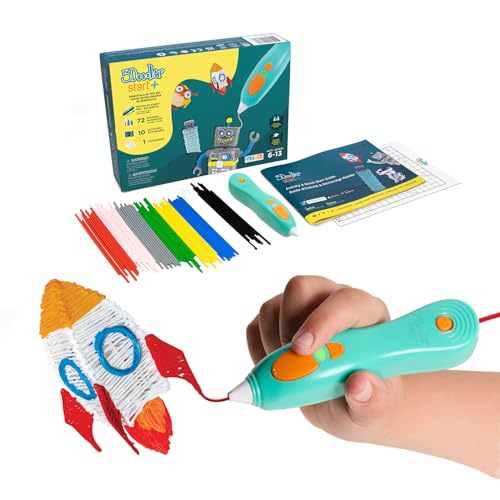
Keep your kids creative and safe with the only child-safe 3D printing pen! No hot parts, safe filaments, and extra stencils make learning fun and hands-on.
$59.99 on Amazon
View on AmazonIf you are buying a first 3D pen for a young maker, this is the easy yes. It is designed for ages 6 and up, with no hot parts, safe filaments, and stencils that help kids get quick wins. It suits cautious parents, after-school clubs, and classrooms where safety and guidance matter more than advanced features.
From our buying criteria, it nails safety and heat profile first. The controls are straightforward, so kids can focus on drawing instead of fiddling with settings. The included stencils make early projects feel achievable, which is huge for keeping little hands engaged and confident.
The trade-off is control and complexity. This pen favors simple shapes and steady progress over tiny details and high-speed builds. As kids create more, you will need refills, so plan for consumables over time. If you care most about a calm, kid-safe start, choose this. If your child begins asking for finer lines and more speed, plan to step up later to a pen with more adjustable options.
2. Scrib3D P1 3D Pen – LCD display and ready-to-draw starter kit
Best Recommended Starter Pick

Unleash your creativity with the SCRIB3D P1 3D Pen! Perfect for family fun, handmade gifts, and DIY projects. Easy to use, versatile, and safe. Discover more!
$34.99 on Amazon
View on AmazonIf we want an approachable first 3D pen for family craft time, the Scrib3D P1 is a comfortable entry point. The ready-to-draw starter kit lowers the setup friction, and the LCD display makes it easy to see what the pen is doing without guesswork. Beginners can focus on learning the motion and rhythm instead of fiddling with extras.
From our buying guide lens, it checks the boxes for ease of use and kid-fit ergonomics. It is a simple, safe-feeling choice for handmade gifts, school projects, and weekend experiments. The experience skews toward fun and confidence-building rather than tinkering with lots of settings.
The trade-off is control depth. Makers who want more granular tuning or a pen to grow into for complex builds will likely outpace it. It aims for reliability and comfort over advanced features, which is the right call for a first pen.
If you care most about a gentle learning curve and getting started today, choose this. If you care most about maximum control and long-term experimentation, consider stepping up later once the basics are second nature.
3. MYNT3D Super 3D Pen with adjustable speed and temperature for 1.75mm ABS/PLA
Best Adjustable control pick

Bring your drawings to life with the Super 3D Printing Pen! Enjoy smooth control, durable nozzles, and vibrant PLA filaments. Perfect for all ages.
$39.99 on Amazon
View on AmazonIf your kid is past the first doodles and wants more control, the MYNT3D Super 3D Pen is a strong step up. It lets us tune speed and temperature, so older kids and teens can match the flow to their pace. It runs standard 1.75 mm ABS and PLA, which makes it easy to find filament in fun colors.
It hits key buying-guide boxes on ergonomics and control, plus compatibility. PLA options are vibrant and easy to source, and the durable nozzles help it hold up to regular use. Once the settings are dialed in, the pen lays down smooth lines and steady fills.
Trade-offs are mostly about heat and learning curve. Like most ABS/PLA pens, the tip runs hotter than low-heat PCL models, so younger makers need close supervision. It does not use PCL. Expect a little trial and error to find your preferred speed and temp.
If you care most about manual control and the choice between ABS and PLA, go with this. If low-heat safety is the top priority for very young kids, a PCL pen will be the easier start.
4. 3Dgenius 22-Color PLA 3D Pen Filament, 1.75mm, 220 ft total (not for 3Doodler)
Best Big Color Variety

Big color pack: 22 vibrant, fluorescent & transparent PLA shades (220 ft total) for smooth, bubble‑free draws. Safer than ABS and fits most 1.75mm pens—ready to create?
$6.99 on Amazon
View on AmazonIf your kid’s pen takes 1.75mm PLA, this big color pack is a no-brainer. You get wide variety in one buy, including fluorescent and transparent shades that make projects pop. It suits families with multiple makers, after-school clubs, and beginners who want a lot of tries without running out fast.
From our buying guide lens, it nails filament compatibility and safety. PLA is a safer pick than ABS for kids and classrooms, and the bubble-free draws help new users get smoother lines with fewer clogs. The 220 ft total also stretches your budget by reducing frequent refills.
The trade-offs are clear. It will not work with 3Doodler pens or with low-heat PCL-only models often aimed at younger kids. PLA also runs hotter than PCL, so plan for supervision and remind kids about hot tips. It cools stiff, which is great for crisp builds but less forgiving if your child loves to bend and reshape after drawing.
If you care most about maximum color variety and reliable PLA flow on a 1.75mm pen, pick this pack. If your pen uses PCL or a proprietary size, stick with that ecosystem’s refills instead.
5. 3Dmate Starter Transparent 3D Pen Mat with Stencil Book (9×7, Two-Sided Heat-Resistant Silicone)
Best Great starter accessory

Keep 3D pen projects clean and steady with this heat-safe, dual-sided silicone mat—plus a stencil book to spark ideas for kids, beginners, and makers.
$12.95 on Amazon
View on AmazonIf you’re setting up a kid-safe 3D pen station, this simple mat is the unsung hero. We like it for families, beginners, and classrooms that want a clean, predictable workspace. The heat-resistant silicone adds a buffer between hot nozzles, fresh filament, and your table. The included stencil book is a nice nudge for kids who need ideas to get started.
It scores well on the safety and ergonomics fronts from our buying guide. The transparent surface lets us slip a printout underneath and trace, which is great for early learners and neatness. Two-sided silicone gives you flexibility and a longer service life, whether you’re using low-heat PCL with younger kids or PLA with tweens and teens.
The trade-off is space. At 9×7 inches, it’s perfect for keychains, badges, and small figures, but larger builds will spill off the edges. It’s also an accessory, not a magic wand, so it won’t solve pen clogging or speed issues.
If you care most about protecting surfaces and making cleanup easy, grab this first. If your projects run big, pair it with a larger craft board and use the mat for detail work and tracing.
6. Reusable 3D Pen Template Book with Clear Plate (40 Patterns)
Best Great for beginners
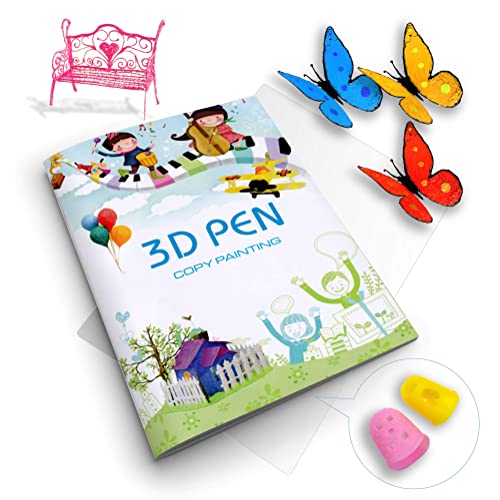
Make 3D pen art easier: a compact book with 20 pages/40 patterns and a clear board for tracing. Kid-friendly, boosts creativity. Curious? Take a peek.
$11.98 on Amazon
View on AmazonIf your maker needs a gentle on-ramp, this reusable template book is a smart add-on. It’s ideal for younger kids who get overwhelmed by a blank page, and for parents or educators who want structured, low-prep activities. The compact book offers 20 pages with 40 patterns and a clear plate for tracing, so kids can focus on accuracy and hand control instead of inventing every shape from scratch.
From our buying guide perspective, it nails the “ergonomics and control” box. Tracing along clean outlines helps steady the hand and teaches consistent line spacing. It can also cut down on wasted filament by guiding kids to lay down just what they need, where they need it. That alone can turn a few near-misses into solid wins.
There are trade-offs. You’re working within the included pattern set, and the clear plate’s size naturally limits bigger builds. Older or more confident kids may outgrow the templates and want to move to freehand or custom stencils.
If you care most about quick confidence and neat, repeatable results, start here. If your kid prefers open-ended sculpting or large, original pieces, skip the templates and look for a pen with more advanced controls instead.
7. Biubee 3D Pen Filament Refills for 3Doodler Start+ — 32 Colors, Safe Low‑Temp PCL, 160 Pack
Best Color-packed refills

Using a 3Doodler Start+? Kid-safe, low-temp PCL refills that glide smoothly—32 vivid colors, 160 pieces. Handy resealable pack. Check your model first.
$14.99 on Amazon
View on AmazonIf you already use a 3Doodler Start+ and want more kid-safe colors, this refill pack fits beautifully. It’s aimed at younger makers and classrooms that prefer low-heat PCL for safer sessions, with enough variety to keep projects fresh. The resealable pack makes cleanup simple, which helps when you’re juggling many little artists and lots of tiny pieces.
It nails the safety and compatibility boxes from our buying guide. The low-temp PCL profile is well suited for early learners, and the refills are designed to glide smoothly in compatible low-heat pens so kids can focus on drawing instead of fiddling.
The trade-offs are clear. These are PCL-only refills and won’t work in standard PLA or ABS pens. Because they’re piece-based, you’ll reload more often than you would with filament spools. Always check your pen model first to avoid a mismatch.
If you care most about vibrant colors and safe temps for younger kids, pick this pack with confidence. If you need PLA or ABS for higher-heat pens or more advanced projects, look for spool-based PLA or ABS instead.
8. 15-Color 150 ft PLA Filament (1.75mm) for MYNT3D & SCRIB3D Pens
Best Colorful Value Refill
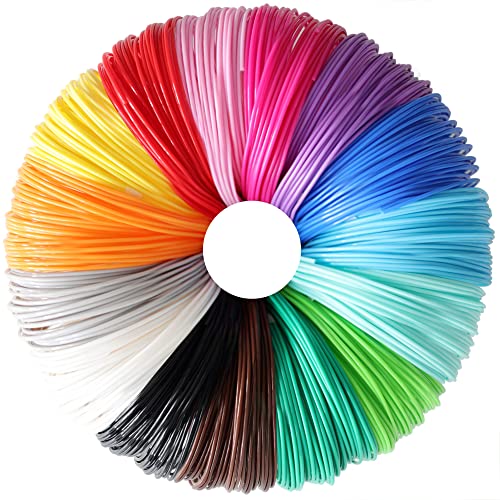
Unlock your creativity with vibrant, smooth PLA filaments in 15 colors. Perfect for all skill levels and compatible with most 3D pens and printers. Start crafting!
$7.99 on Amazon
View on AmazonIf we already have a 1.75 mm PLA pen and just need color variety without overthinking it, this 15-color, 150 ft pack fits the bill. It suits families, hobbyists, and classrooms that want bright options for templates, flat builds, and simple 3D forms. It pairs naturally with MYNT3D and SCRIB3D pens and plays nicely with most 1.75 mm PLA systems.
On the buying factors, it hits compatibility and ease of use. PLA runs at moderate temps, has a mild smell, and tends to produce smooth lines that help beginners succeed. The color spread keeps kids engaged, which matters more than we think when they are practicing steady hands and basic joins.
The trade-offs are clear. This is PLA, so it is not for low-heat PCL-only pens or any pen that requires proprietary cartridges. PLA can also be a bit brittle in hairline bridges once it cools, and we will likely burn through favorite colors faster than the rest.
If we care most about color variety and clean practice lines, grab this. If our priority is low-heat safety for younger kids or ultra-flexible strands, we should look at PCL instead. And if we want special effects like metallic or glow-in-the-dark, plan on adding a specialty pack later.
9. SQERO Case for 3Doodler Start+ Kids 3D Pen – Shockproof Travel Storage for Pen and Refills (Case Only)
Best Great for travel
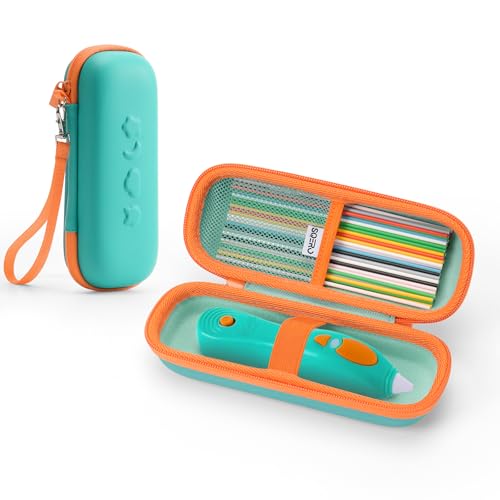
Adorable raised-design water-resistant hard case that secures a 3D pen and parts. Mesh pockets, smooth zip, and carry strap keep kids 6+ organized—rain or shine.
$8.99 on Amazon
View on AmazonIf your maker is always on the move or you are packing kits for a classroom, this case fits the bill. It is made for the 3Doodler Start+ and keeps the pen and refills snug so small parts are not lost between the couch cushions or at school. The carry strap is easy for little hands, and the smooth zipper is less likely to snag.
From our buying guide, it nails portability and day-to-day practicality. The water-resistant hard shell adds peace of mind when a backpack meets drizzle or a juice box. Mesh pockets make it simple to separate the pen from refills and small bits so setup is quick and clean.
There are trade-offs. It is a case only, so you are not getting extra storage beyond the basics, and it does add one more thing to carry. It is designed for the Start+, which is perfect if that is your pen, but it is not meant to be a universal organizer for a mixed brand bin.
If you care most about keeping a Start+ kit protected and ready to travel, grab this. If your child mostly crafts at the kitchen table and you store everything in a drawer, a simple container might be enough.
10. MYNT3D Junior2 Kids’ 3D Pen – low-heat, child-safe (not compatible with ABS/PLA)
Best Low-heat starter pick
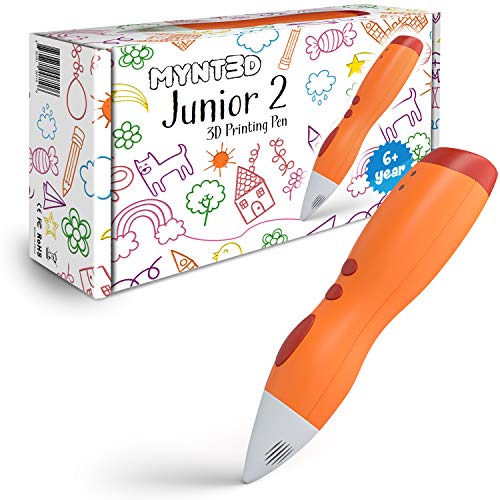
Kid-friendly 3D pen with an easy grip and cool-touch tip. Sealed nozzle resists clogs, and it’s USB rechargeable. Comes with PCL refills and stencils—curious?
View on AmazonIf we’re shopping for a child’s very first 3D pen, the MYNT3D Junior2 checks the safety and simplicity boxes. It runs cool with PCL and has a cool-touch tip, so it’s friendlier for younger makers who are still learning hand placement and patience. The chunky, easy-grip body feels made for small hands, and the included PCL refills and stencils mean they can start creating right away.
From our buying criteria, it nails safety, ergonomics, and basic reliability. The sealed nozzle helps resist clogs, which keeps the early learning curve positive. USB rechargeable power makes it easier to use at the kitchen table or pack for a playdate without being tethered to an outlet.
The trade-off is flexibility. This pen is not compatible with ABS or PLA, so projects that demand stiffer materials or more advanced techniques are off the table. If you care most about day-one safety, a gentle learning curve, and low-maintenance sessions, pick this. If you want wider material compatibility and more control as your child’s skills grow, plan to graduate later to a pen that supports PLA.
11. MYNT3D 3D Pen with OLED and Adjustable Temp/Speed
Best Great control for teens
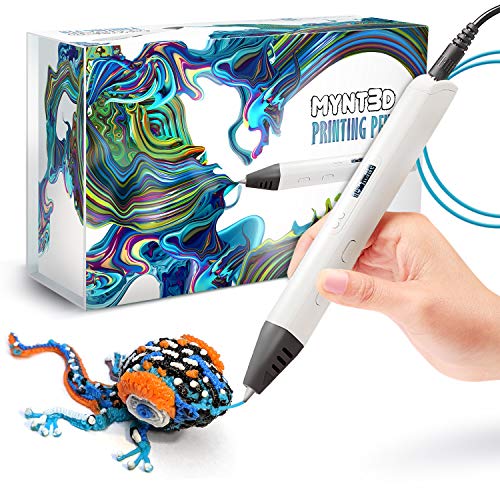
Bring your ideas to life with the Professional 3D Pen! Adjustable settings, OLED display, and ergonomic design make crafting easy. Includes colorful filaments to get started. Learn more!
$58.79 on Amazon
View on AmazonIf your kid is ready to move beyond simple tracing and into real sculpting, this adjustable MYNT3D pen hits a sweet spot for older kids and crafty teens. The OLED display makes it easy to see what you are doing, and the ergonomic shape keeps longer sessions comfortable. It comes with colorful filaments, so you can open the box and start experimenting right away.
From our buying guide checklist, it shines in ergonomics and controls. Being able to fine-tune speed and temperature helps kids learn how flow affects lines, joins, and fills. That control rewards patience and practice, which is great for learners who like to tinker and improve.
The trade-off is complexity. It is not a plug-and-play choice for the youngest makers, and the extra settings can feel fiddly at first. Younger kids will still need supervision, especially while they learn how to adjust and handle the pen safely.
If you care most about control and room to grow, pick this. If you want maximum simplicity for ages 6–8, a low-heat starter pen will be easier to manage.
12. GWCASE Travel Case for 3Doodler Start+ Essentials Pen, Filaments and Charger, Green with Orange Zipper (Case Only)
Best Great for travel

Snug, water-resistant hard case for 3Doodler Start+: keeps pen secure, refills organized, and goes anywhere with a wrist strap. Great gift for young creators.
$11.69 on Amazon
View on AmazonIf your kid brings a 3Doodler Start+ to grandma’s, after-school clubs, or a classroom, this case makes life easier. It’s a snug, water-resistant hard case that keeps the pen secure, refills organized, and the charger in one place. The wrist strap makes quick grab-and-go simple, and it feels like a tidy, giftable upgrade to any Start+ kit.
From our buying criteria, this nails portability and protection. A dedicated spot for the pen and refills means fewer lost strands and fewer “Where’s the charger?” moments. The hard exterior adds a layer of confidence when the kit gets tossed into a backpack or moves between home and school.
Trade-offs are straightforward. It’s case only, so you’ll still need the pen and supplies. It’s purpose-built for the Start+ layout, so it won’t be a universal organizer. If you care most about keeping a Start+ setup neat and travel-ready, choose this. If you want one storage solution for mixed brands or extra tools, consider a more generic organizer instead.
FAQ
Setup and safety
Q: Can younger kids use a 3D pen without supervision?
A: We recommend an adult nearby for any age. Low-heat PCL pens are the safest starting point for ages 6–8. Teach kids to keep fingers away from the metal tip, use a silicone mat, and always park the pen in its stand. Unplug when not in use and let it cool before moving.
Q: How do we set up a safe workspace and reduce fumes?
A: Use a flat, protected surface with a silicone mat or painter’s tape. Ventilate the room with an open window or a small fan. Stick to low-odor materials for younger users. Tie back long hair, avoid loose sleeves, and keep the pen cord out of the way.
Materials and compatibility
Q: Are filaments interchangeable across brands?
A: Sometimes. Match three things: filament diameter (often 1.75 mm), material type (PCL for low heat, PLA for standard), and feed format (some pens use strands instead of spools). If any of those differ, do not force it. Check the manual for supported materials and temperature ranges.
Troubleshooting and maintenance
Q: The pen clicks or stops extruding. How do we fix it?
A:
- Retract or unload the filament, then reheat and try again.
- Trim the filament tip at a sharp angle and reload.
- Slow the feed speed and check the temperature setting for the material.
- Use the included cleaning rod or a nylon cleaning filament to clear the path.
- Keep filament dry in a sealed bag with desiccant to prevent brittleness and jams.
If we had to boil everything down, we would say this. Start with heat and age, then let filament and ecosystem make the final call. Young kids do best with low-heat pens and simple controls. Older kids can handle standard filaments with more speed options and a visible nozzle, as long as you set clear rules.
The big three brands all serve kids, but they do it in different ways. Some pens focus on low-heat safety and tightly curated refills and stencils. Others lean into open materials, adjustable controls, and easy-to-swap parts. None is right for everyone. The right one is the one your family or classroom will actually use and support with fresh filament and simple routines.
From here, pick your lane by age and patience level, then check which ecosystem you want to live in. Look at refill availability, starter templates, support pages, and the little things like stands, mats, and spare tips. A pen your kid can pick up and succeed with in five minutes will win every time.
Bottom line: match the brand to age and ecosystem
Ages 6 to 8: keep it low heat and guided
- Choose a pen that advertises low-heat operation and kid-first safety. You want little to no exposed hot metal and a slow feed rate.
- Stick with PCL filament for this age. It melts cooler and feels less intimidating.
- Look for an ecosystem with ready-to-use stencils, project cards, and bright color refills. Early wins matter more than advanced features.
Ages 8 to 12: step up to beginner-friendly PLA
- Move to a pen that handles PLA cleanly with a stable stand and easy speed control. One or two speeds is fine.
- Introduce tool habits. Always dock the pen when not drawing, clean the tip, and unload filament after a session.
- Add a silicone mat, finger guards, and a few structure tricks like using paper frames or printing flat parts that glue up later.
10 plus and crafty teens: more control, more materials
- Consider pens with adjustable speed and temperature, within the limits the brand supports. Supervision still matters.
- Start with PLA. Add materials only if the manufacturer says the pen supports them. Keep ventilation in mind for anything that can smell.
- Explore technique. Brims for grip on mats, scaffolding lines to bridge gaps, gentle heat from a hair dryer to fix curves.
Your 10 minute action plan
- Pick the heat profile first. Low-heat PCL for the youngest, standard PLA for confident beginners and up.
- Decide on filament format. Check if the pen needs brand-specific refills or accepts standard sizes.
- Scan the ecosystem. Templates, lesson plans, spare tips, and support videos save time and tears.
- Buy two extra colors and a silicone mat. More color choice and a nonstick surface make sessions smoother.
- Set house rules. Dock the pen when not drawing, no touching the nozzle, unload filament at the end.
Caveats and edge cases to consider
- Sensory sensitive kids may dislike fan noise or warm odors. Prioritize low-heat pens and keep sessions short with fresh air.
- Left-handed makers can struggle with certain button layouts. Check photos of the grip and controls before you commit.
- If your child wants dimensionally precise parts for models, a small 3D printer may suit them better. Keep the pen for finishing and doodled details.
Quick answers to common questions
Is PCL really safer for kids than PLA or ABS?
PCL melts at a lower temperature, so pens designed for it tend to run cooler. That reduces risk and smell, which helps with younger kids. It is still a hot tool. Teach no-touch zones, use a stand, and keep sleeves out of the way.
Do 3D pens all use the same filament?
Not always. Some accept standard filament sizes. Others require brand-specific refills. Check the manual before you order bulk packs. If you plan to share refills across pens, choose models that match on filament type and size.
How do we avoid clogs and broken strands?
Use dry filament and store it sealed. Run the pen at the recommended temperature for that filament. Purge a few seconds when swapping colors. Unload filament fully before putting the pen away. If you hit resistance, stop and follow the brand’s unclogging steps rather than forcing the feed.
What should a simple kid-safe setup include?
A silicone mat, a stable pen stand, a few sheets of painter’s tape, and small scissors. Add tweezers for stringing and a ruler for straight edges. Keep everything in a clear box so the kit feels ready to go.
Can we run a classroom or club with these pens?
Yes, with a plan. Standardize on one filament type per session. Precut short filament segments for young kids. Set up a help station for clogs so work tables stay calm. Rotate groups in short blocks, and end with a fast clean and unload routine.
How long does a kid session last before fatigue sets in?
For younger makers, 15 to 25 minutes is a sweet spot. Older kids can go 30 to 45 minutes if they have a clear project path and enough colors. Break longer builds into stages, and celebrate each stage so momentum stays high.
What if we want to travel with a pen?
Look for USB power and a secure tip cap or stand. Pack filament in a zip bag with desiccant. Keep sessions simple when you are on the go. Flat builds and small charms travel better than tall sculptures.
In the end, our best advice is simple. Choose the right heat profile for your kid, pick an ecosystem you can support, and keep the first projects small and joyful. Once the habit clicks, the brand you picked becomes a creative home, and the refills and templates keep the ideas flowing.

Leave a Comment